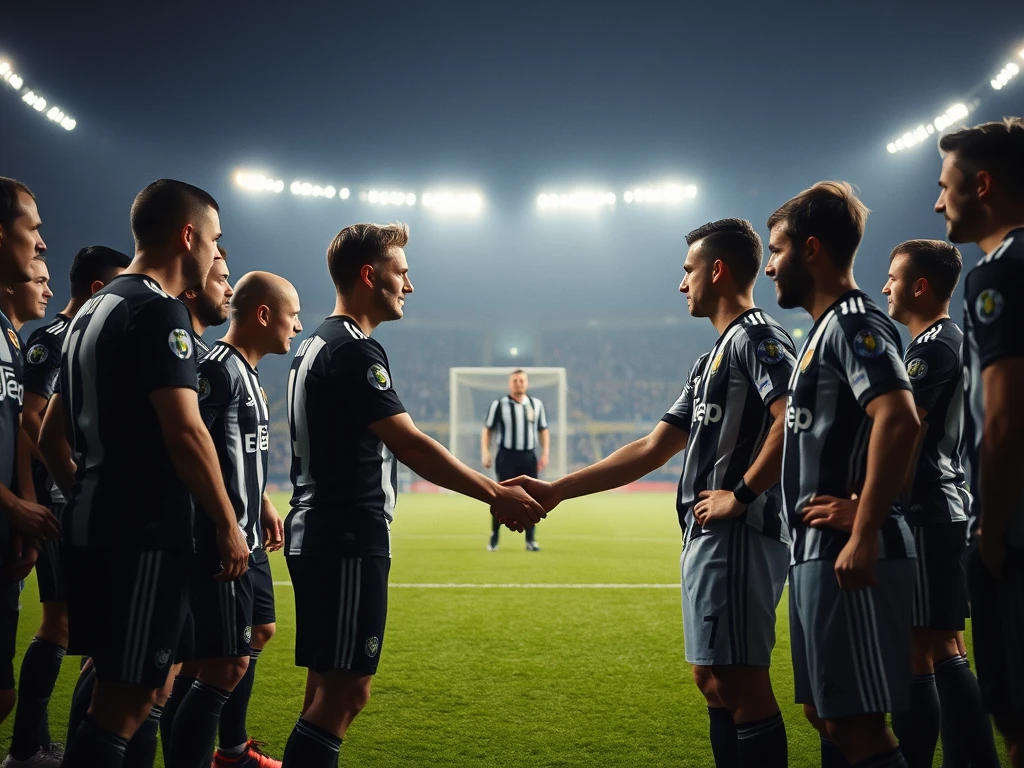
The 1998/99 season was a year full of emotions and unforgettable moments for the supporters of Sturm Graz. Under the guidance of coach Ivica Osim, the Schwarz-Weißen entered the Bundesliga season with a remarkable blend of talent and team spirit. From the very beginning, it was clear that the team was determined to bring the championship back to Graz after several years of titles going to other clubs.
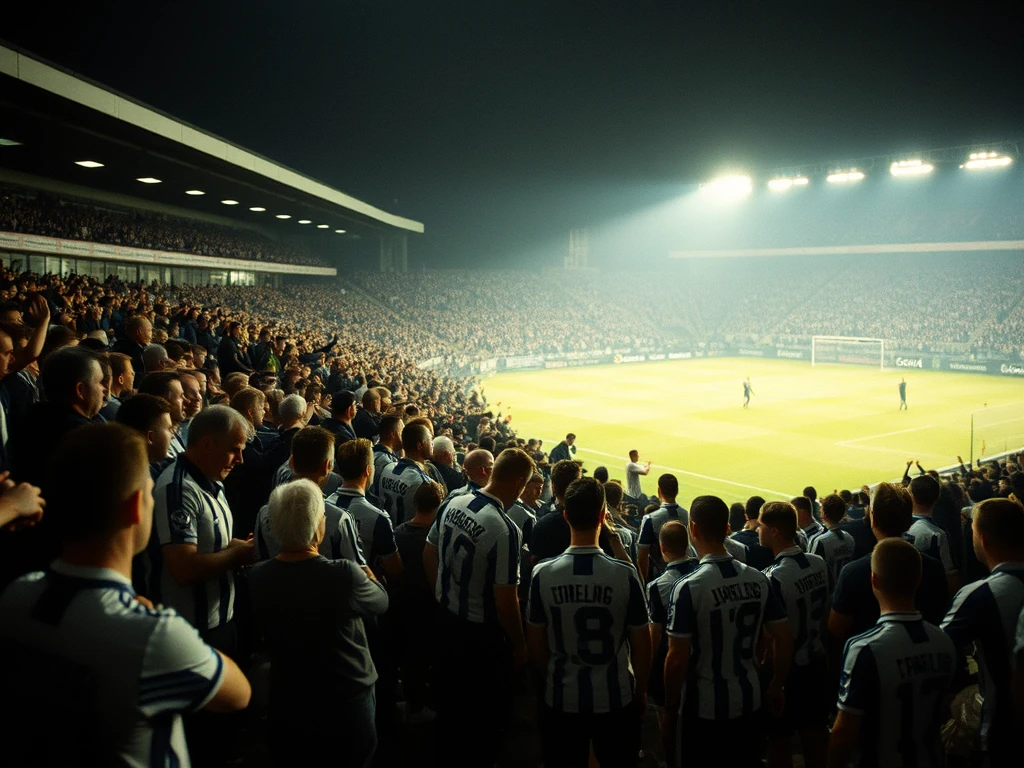
With a squad that included players like Mario Haas, Ivica Vastic, and the tireless Thomas Holler, Sturm Graz showed an attacking style of play that shocked opponents and thrilled fans. Home matches at the stadium were legendary, with an atmosphere that was electric. Every goal was celebrated with euphoria, uniting the city of Graz.
A key moment of the season was the return match against arch-rivals GAK, held in a packed stadium. The team delivered an impressive performance and secured a key victory that bolstered their confidence and paved the way for the title. During the decisive phase of the season, it was the unshakable belief in the team’s abilities that propelled them forward.
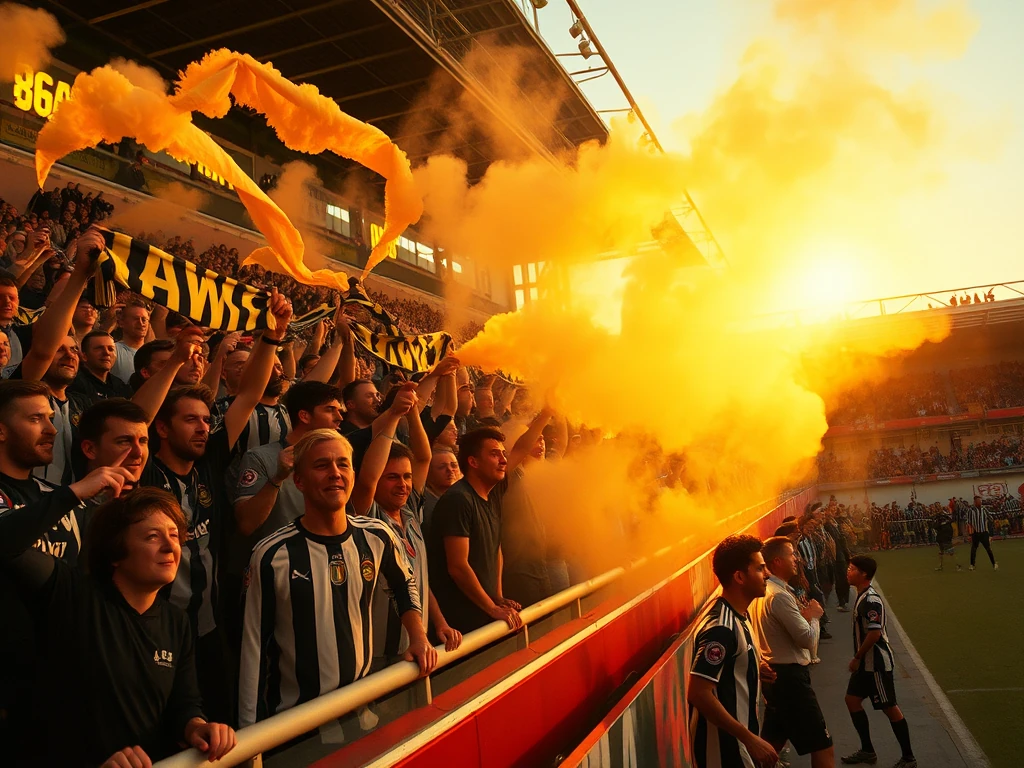
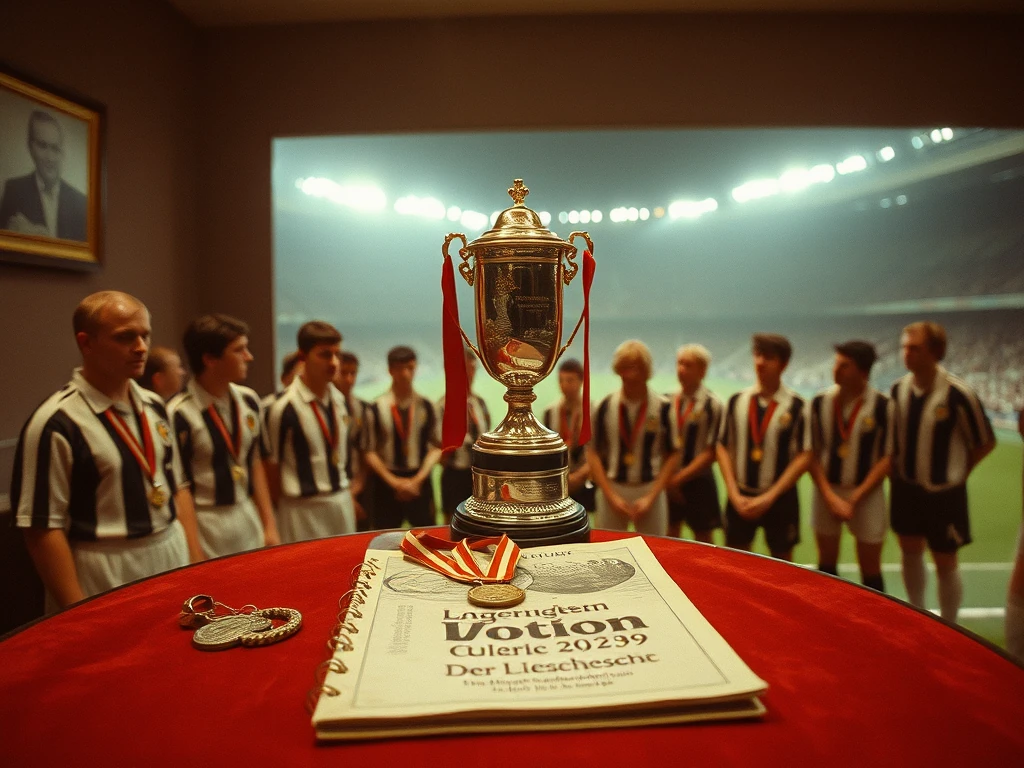
On the final matchday of the season, the tension was palpable as Sturm Graz faced off against Wiener Austria. Fans gathered in the stadium, anticipating a historic moment. The team put on an outstanding display and ultimately celebrated the championship title, sparking a wave of joy throughout Graz.
The championship win of 1998/99 was not only a sporting success but a symbol of the strength and resilience of the city of Graz and its people. The fans celebrated tirelessly, and the streets were filled with black-and-white flags and jubilant supporters. This title remains etched in the history of the club, passed down from generation to generation, a timeless legacy of the fighting spirit and passion that Sturm Graz embodies.
The 1999 championship was also a turning point for the development of the club. It laid the foundation for future successes and ensured that Sturm Graz was recognized not only as a football club but also as a cultural symbol for Graz. The triumph and the joy associated with it created a deeper connection between the club and its fans, a bond that endures to this day.